The consequences of attacks on Ukraine’s energy infrastructure extend far beyond the energy system itself. Damage to a power plant, substation or heating facility triggers a chain reaction: electricity goes out, water and heating supplies are disrupted, elevators stop working, mobile connections become unstable, hospitals switch to backup power, and businesses turn on generators.
Hundreds of Attacks. Billions in Damage.
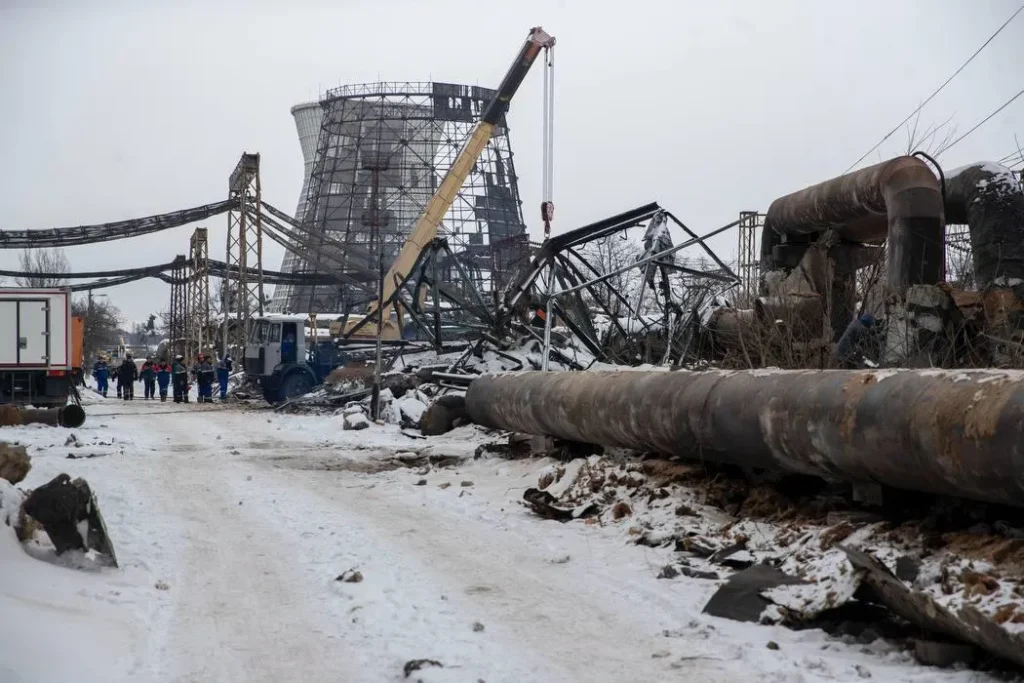
Between October 2025 and March 2026 alone, at least 423 attacks affected electricity generation, transmission and distribution facilities in Ukraine, according to a June 2026 report by the UN Human Rights Monitoring Mission in Ukraine. During the same period, at least 74 strikes hit combined heat and power plants and other heating infrastructure. Large-scale coordinated attacks sometimes involved hundreds of missiles and long-range drones targeting several regions simultaneously.
The scale of the physical damage is enormous. According to the World Bank’s Fifth Rapid Damage and Needs Assessment (RDNA5), by the end of 2025, direct damage to Ukraine’s energy sector had reached approximately $24.8 billion. The electricity sector alone accounted for $17.1 billion, including $14.2 billion in damage to power generation assets. Total energy-sector recovery and reconstruction needs are estimated at around $90.6 billion over the next ten years.
Thousands of Homes Left Without Heat
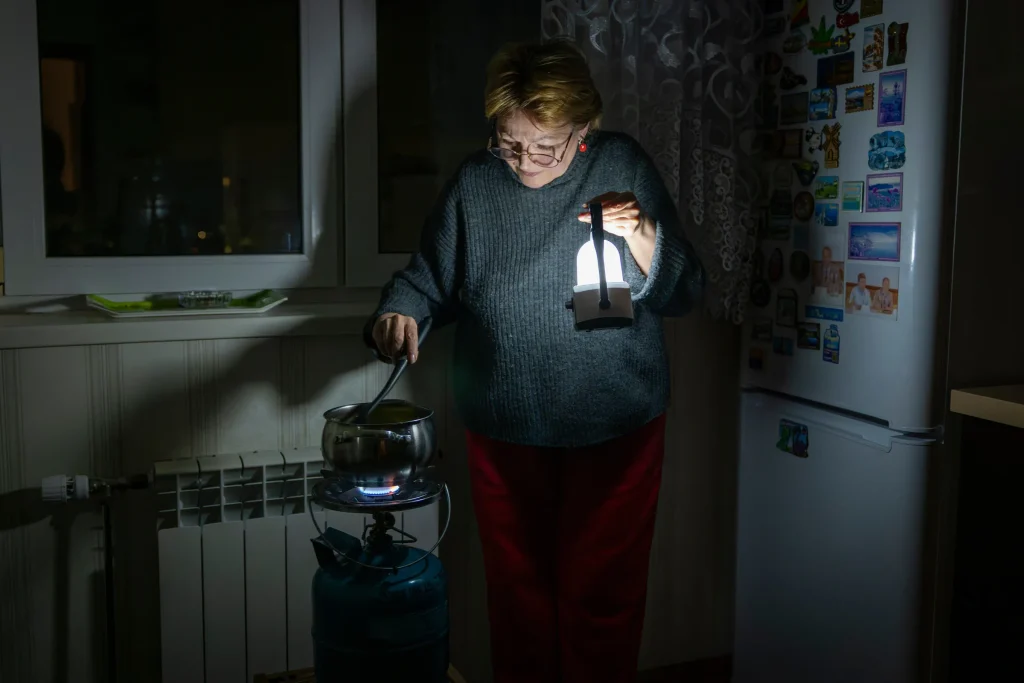
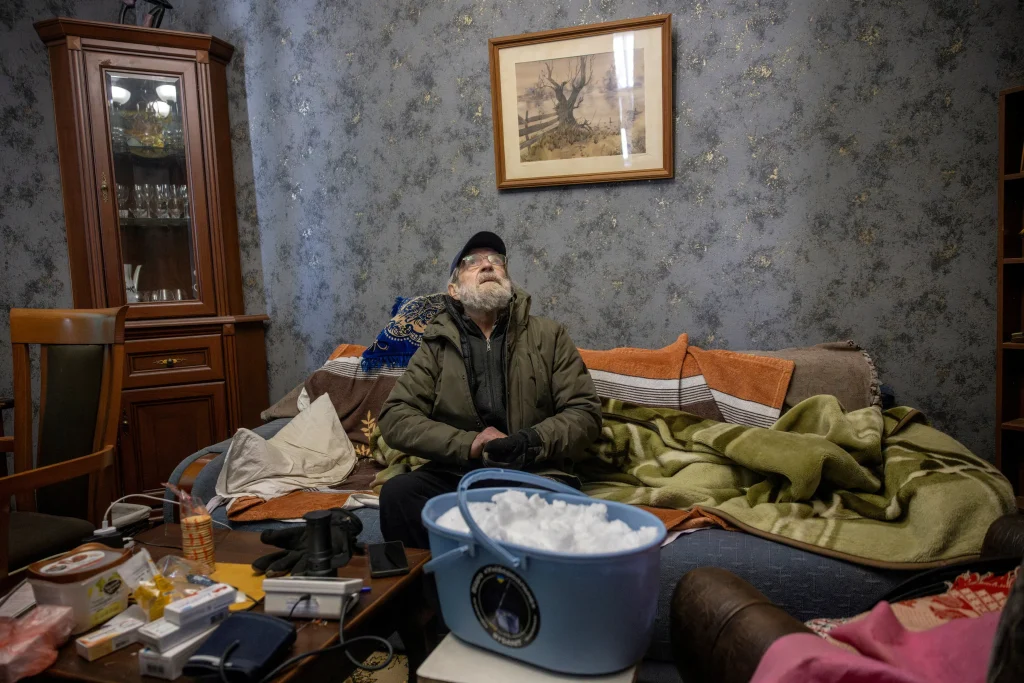
Behind the figures describing Ukraine’s damaged energy infrastructure lies a much more immediate reality for millions of people: hours or days without electricity, water and heating, disrupted communications and essential services that can no longer operate normally. As documented by the UN Human Rights Monitoring Mission, millions of consumers across Ukraine experienced frequent and prolonged power outages in late 2025.
The winter of 2025–2026 demonstrated how quickly damage to energy infrastructure can become a crisis inside people’s homes. UN human rights monitors reported prolonged rolling blackouts affecting households, hospitals, schools and other essential services, while hundreds of thousands of civilians were left without heating during periods of severe cold. Water and sanitation services were also disrupted.
The consequences were particularly visible in Kyiv. According to Reuters, citing Kyiv Mayor Vitali Klitschko, following an attack in January 2026, nearly 6,000 buildings in the capital were left without heating in sub-zero temperatures. When temperatures reached around −20°C, the loss of heating also created secondary infrastructure problems, including frozen and damaged pipes that further complicated restoration.
No Electricity. No Water. No Working Elevators.
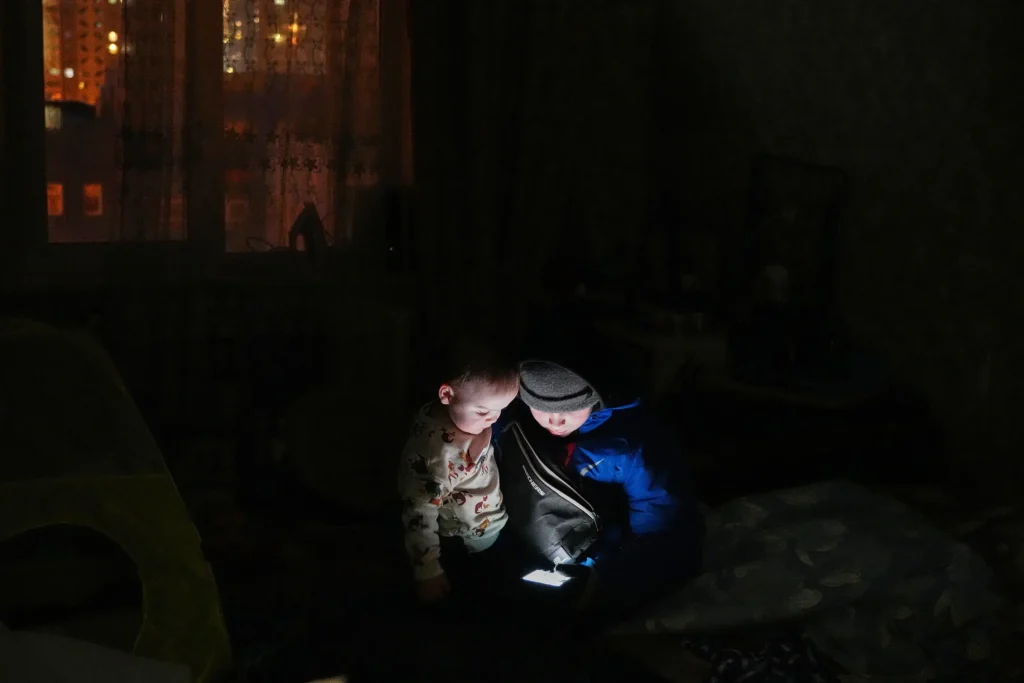
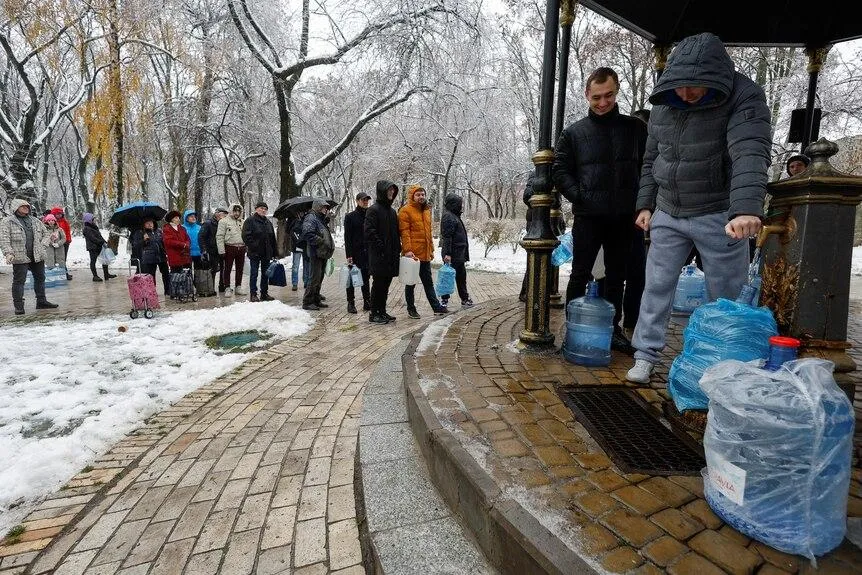
Electricity is essential for water treatment, pumping and distribution. When the power supply becomes unreliable, the consequences extend to running water and sanitation. The World Health Organization’s 2026 winter risk assessment highlighted how damage to energy systems threatens water supplies and essential services, increasing risks to public health.
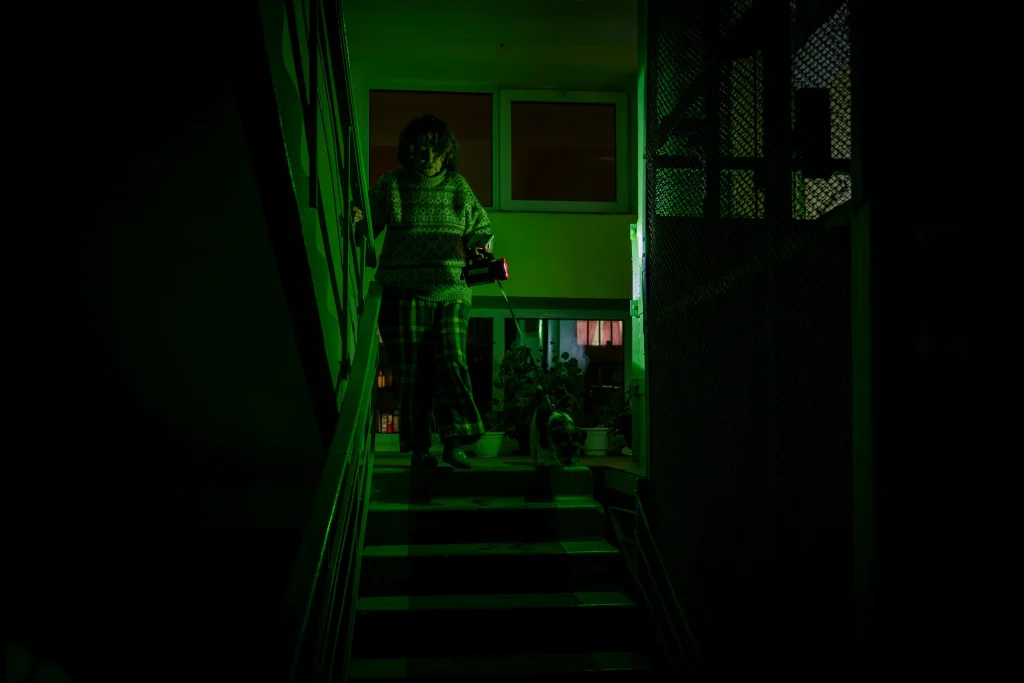
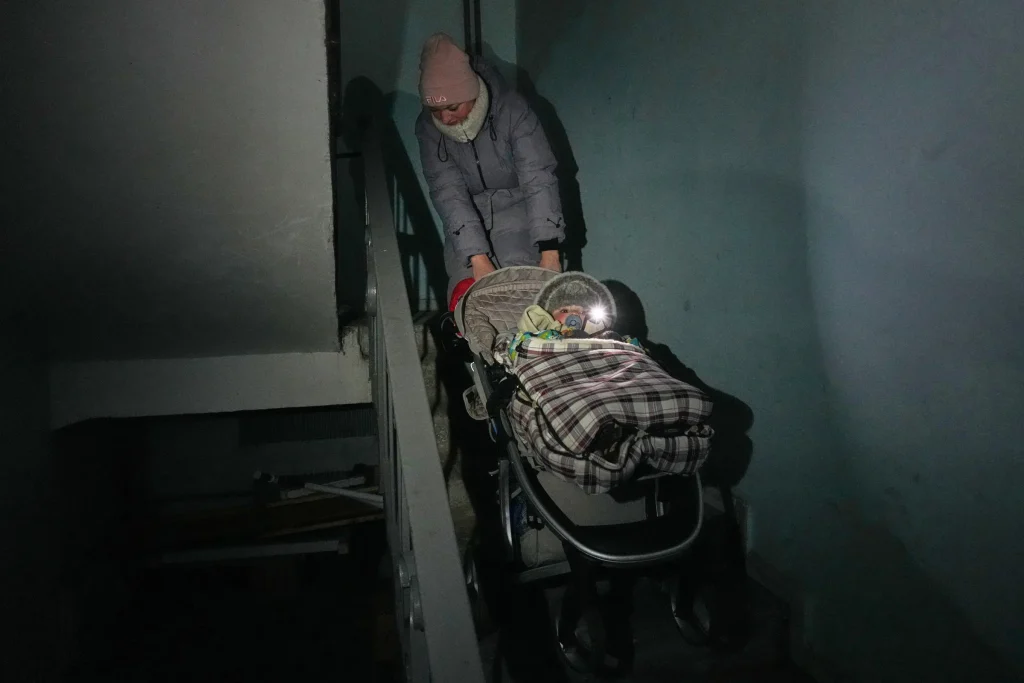
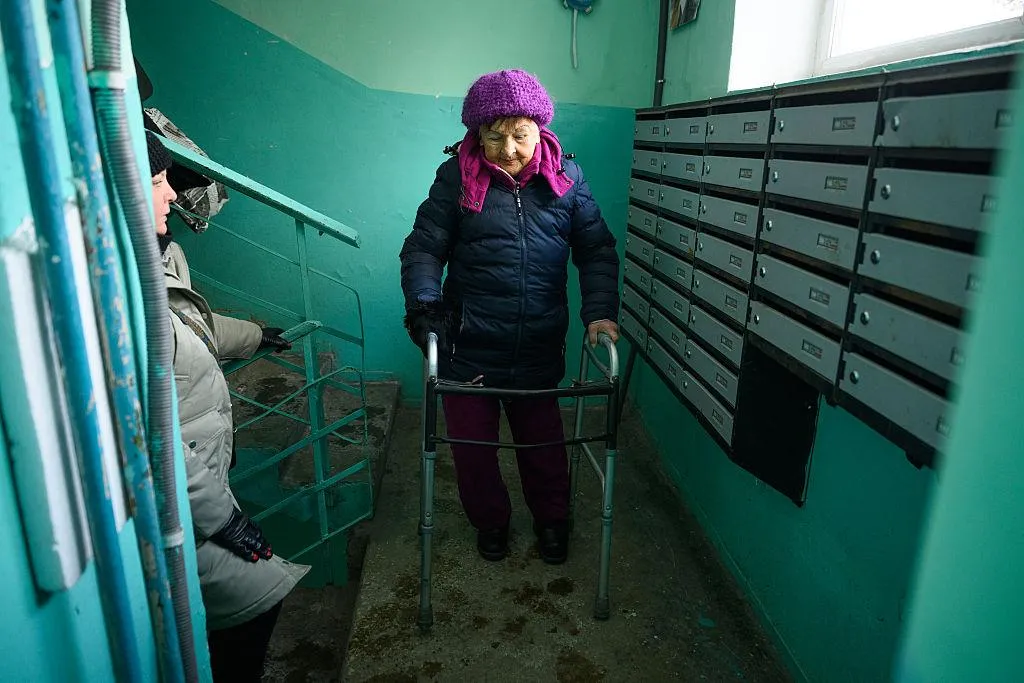
In apartment buildings, several disruptions can occur simultaneously. Elevators stop working while water or heating may also be unavailable. Residents may have to carry water, food and other essentials upstairs themselves. For older people, people with disabilities and those with limited mobility, prolonged outages can significantly restrict everyday independence.
When Hospitals Depend on Backup Power
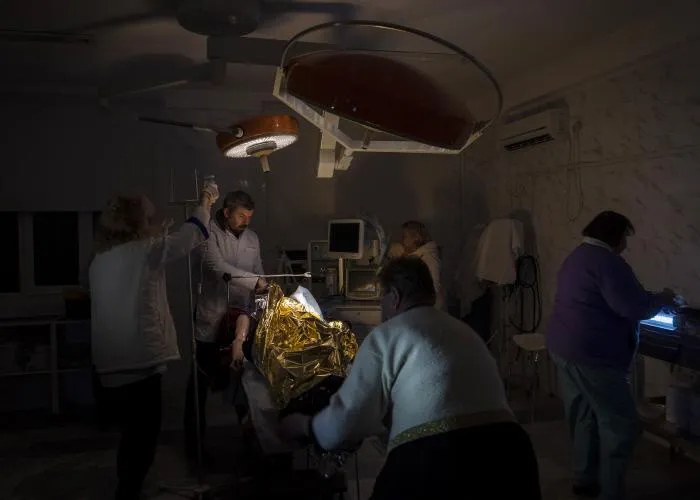
Health care is particularly dependent on reliable energy. Operating rooms, diagnostic equipment, laboratories, oxygen systems and digital infrastructure all require electricity, while vaccines and temperature-sensitive medicines depend on functioning refrigeration systems. Recurring electricity disruptions threaten the continuity of these essential services.
The scale of the challenge is reflected in the measures hospitals have had to take. According to WHO’s 2026 emergency appeal, in 2025, the organisation installed 22 heating units and 13 water stations in Ukrainian hospitals to strengthen their ability to continue operating during winter disruptions. In an official announcement published on 10 December 2025, WHO also reported the installation of autonomous heating units in hospitals in the Zaporizhzhia and Chernivtsi regions, as well as five advanced water treatment stations in major hospitals in Kharkiv and the surrounding region.
35 Charging Stations for 30 Institutions in 2025
LUkraine asbl has also contributed to addressing the consequences of Ukraine’s energy crisis through its humanitarian initiatives. In 2025, through its LIGHT UP HOPE project, the organisation mobilised support to provide alternative energy solutions to institutions affected by repeated power outages in Ukraine.
As part of the project, 35 charging stations were delivered to 30 medical, educational, children’s and military institutions across the Kherson and Dnipropetrovsk regions. Approximately €47,800 was invested in the initiative.
The equipment provides an additional source of electricity, helping institutions maintain essential services during power disruptions. This initiative demonstrates how humanitarian assistance can address the immediate consequences of attacks on Ukraine’s energy infrastructure by supporting institutions and communities that depend on a reliable power supply.
Repaired Today. Damaged Again Tomorrow.
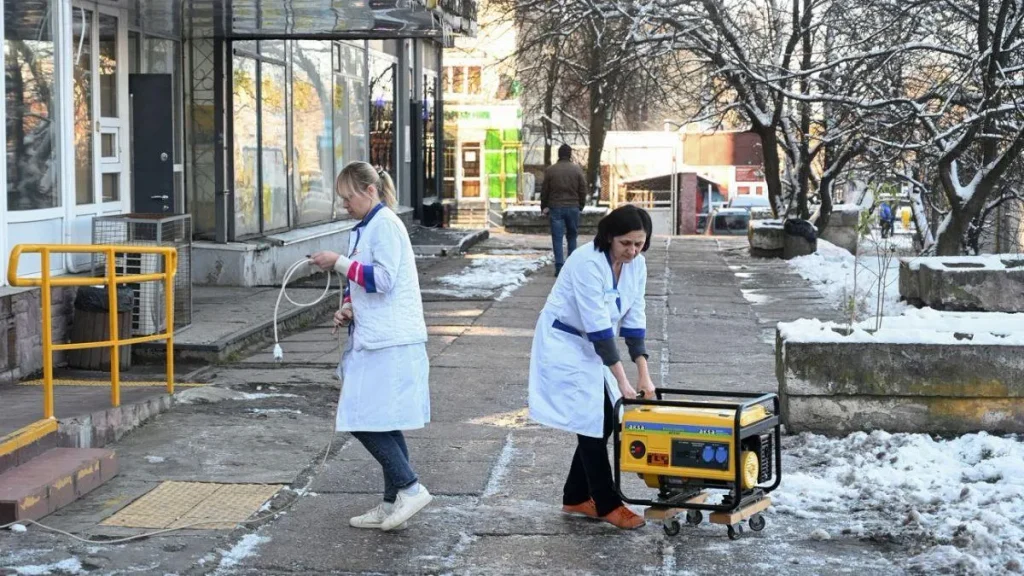
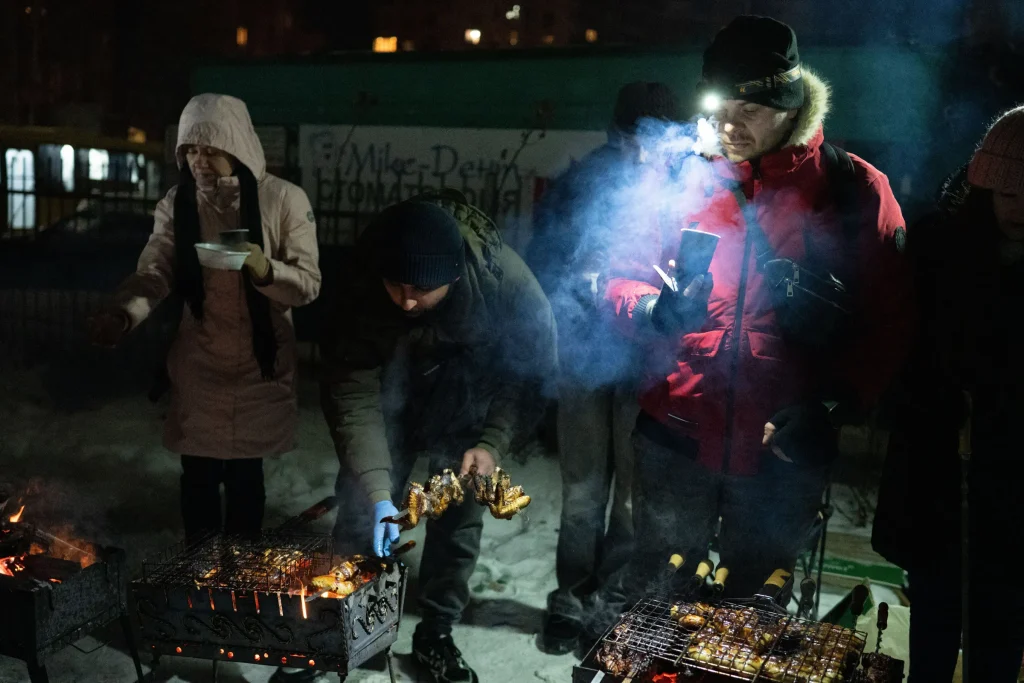
The impact of energy disruptions also reaches mobile communications, shops, pharmacies and other everyday services. Mobile networks require electricity to operate base stations, while supermarkets and pharmacies depend on power for refrigeration, lighting, payment terminals and digital inventory systems. Backup batteries and generators help keep some services running, but require fuel, maintenance and logistical support.
As documented in the UN Human Rights Monitoring Mission’s June 2026 report, repeated attacks make recovery even more difficult. Restoring electricity to consumers does not mean that damaged infrastructure has been fully repaired. Emergency teams may reconnect households by reconfiguring the grid and carrying out temporary repairs while generation and transmission facilities still require extensive reconstruction. New strikes can damage the system again before previous repairs are completed.
Another Winter Under Threat
In its September 2026 winter risk assessment, WHO warned that ongoing attacks on critical energy infrastructure threaten the uninterrupted provision of electricity, heating, water and essential health services. Experience from previous winters has shown that widespread energy disruptions can leave millions of people without basic services for prolonged periods during freezing temperatures.
Behind Every Blackout Are Human Lives
This is why the impact of attacks on Ukraine’s energy infrastructure cannot be measured only in damaged power plants, substations or lost megawatts. $24.8 billion in physical damage, 423 attacks in six months, 74 strikes on heating infrastructure and thousands of buildings without heat translate into disruptions affecting the everyday lives of millions of people.
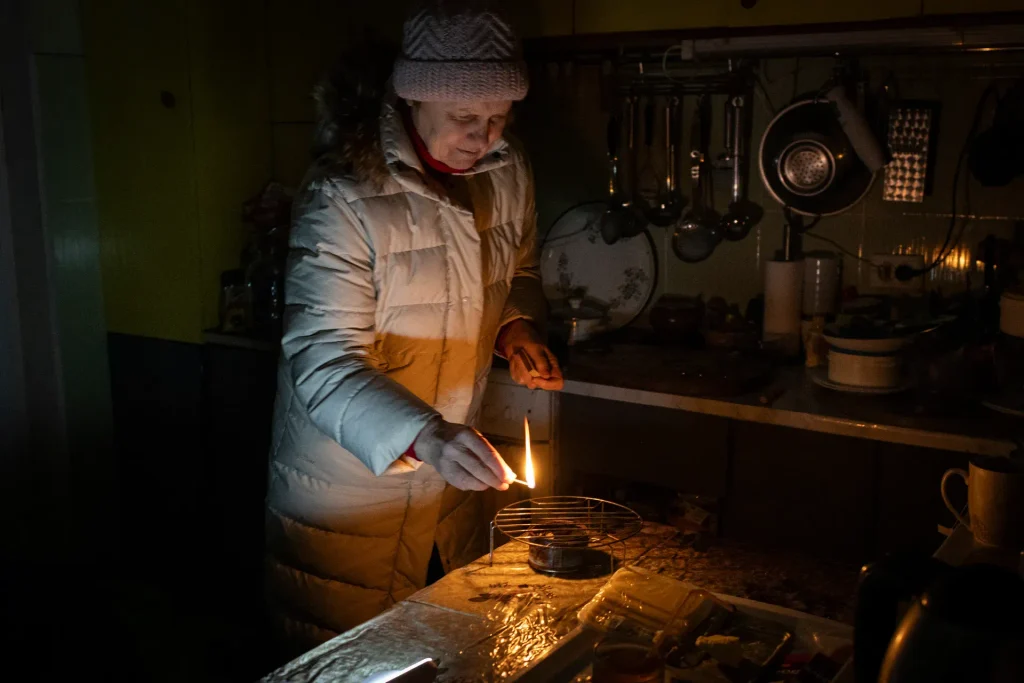
Behind the statistics are homes without electricity, families without water or heating, hospitals relying on backup systems, unstable communications and businesses operating on generators. An attack may last minutes, but its consequences can continue for days or weeks.