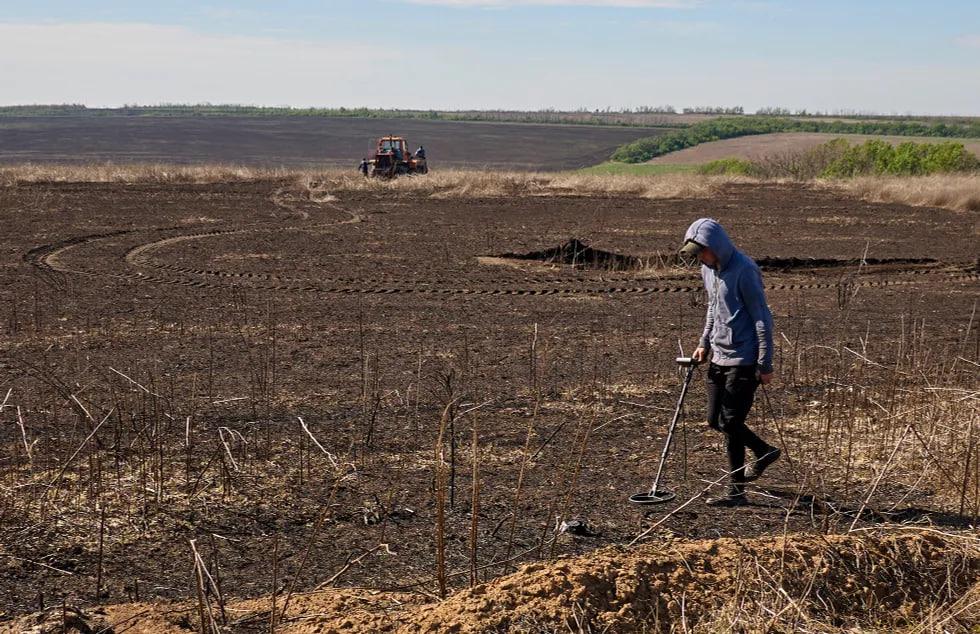
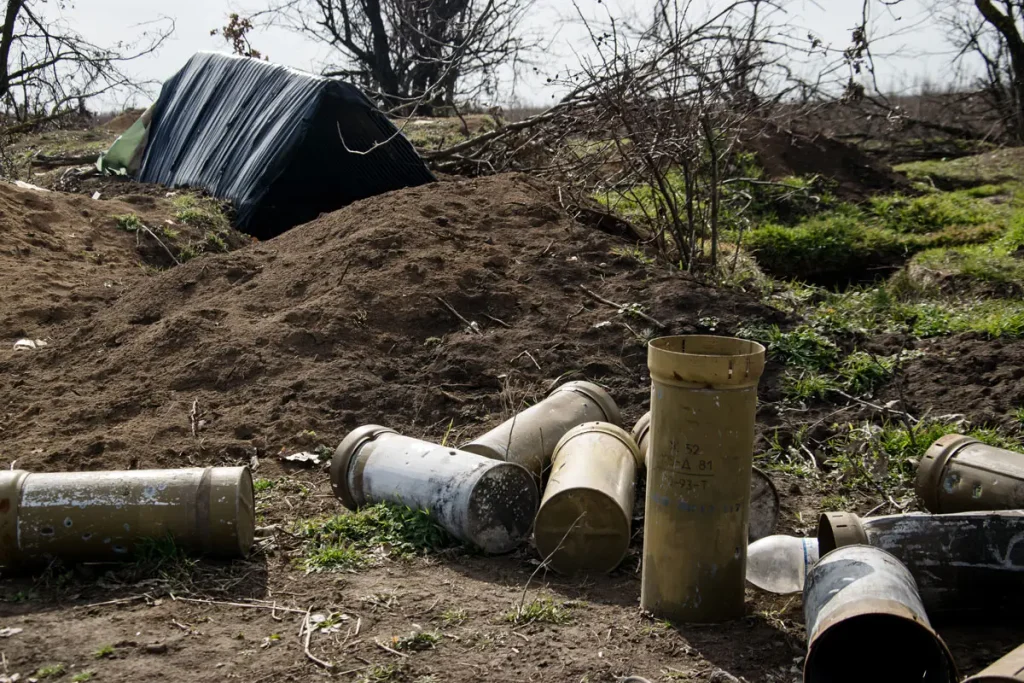
The consequences of war for Ukraine’s soil extend far beyond explosion craters, mined fields and destroyed military equipment. Explosions damage and displace fertile soil layers, heavy vehicles compact the ground, and ammunition residues can introduce hazardous substances, including heavy metals. These changes threaten agricultural productivity, farmers’ livelihoods and the long-term recovery of rural communities.
For Ukraine, one of the world’s major agricultural exporters, soil degradation is not only an environmental problem. It is also a threat to food production and economic stability.
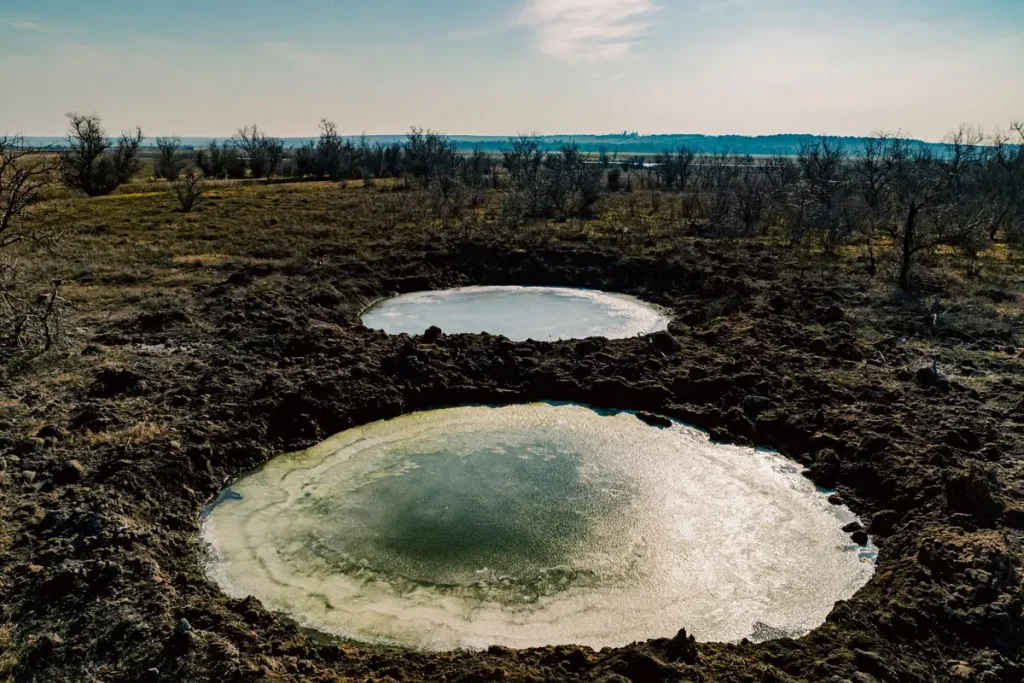
More Than 420,000 Craters in One Studied Area
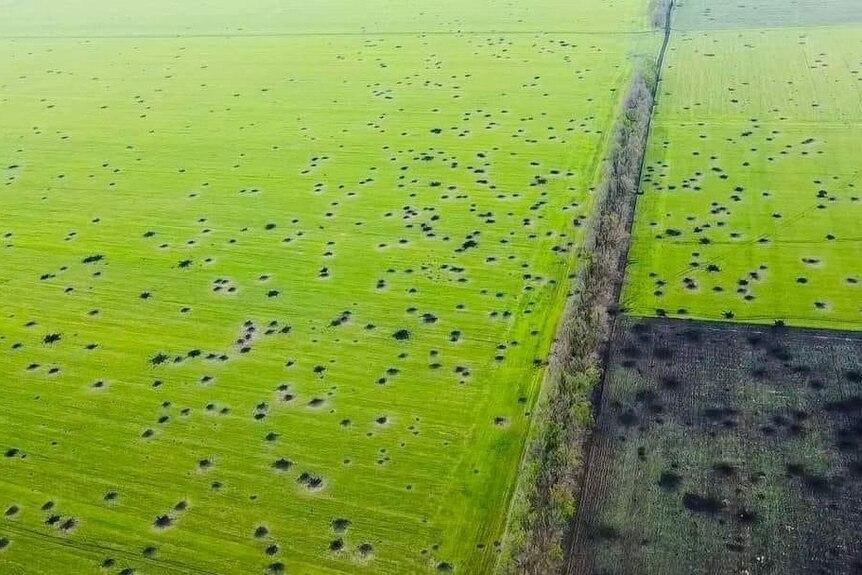
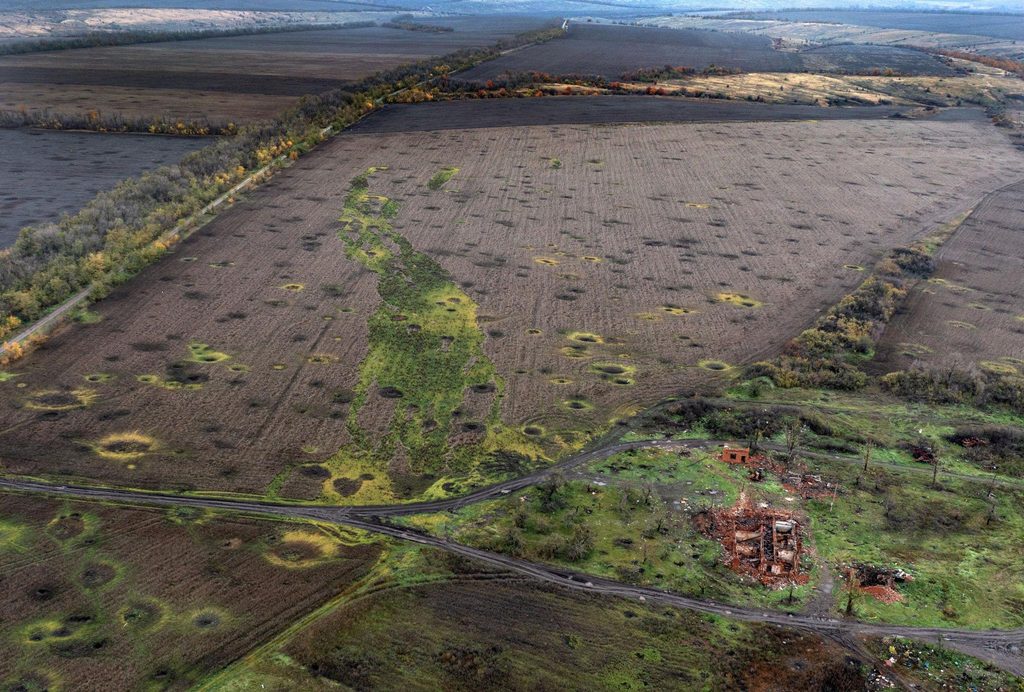
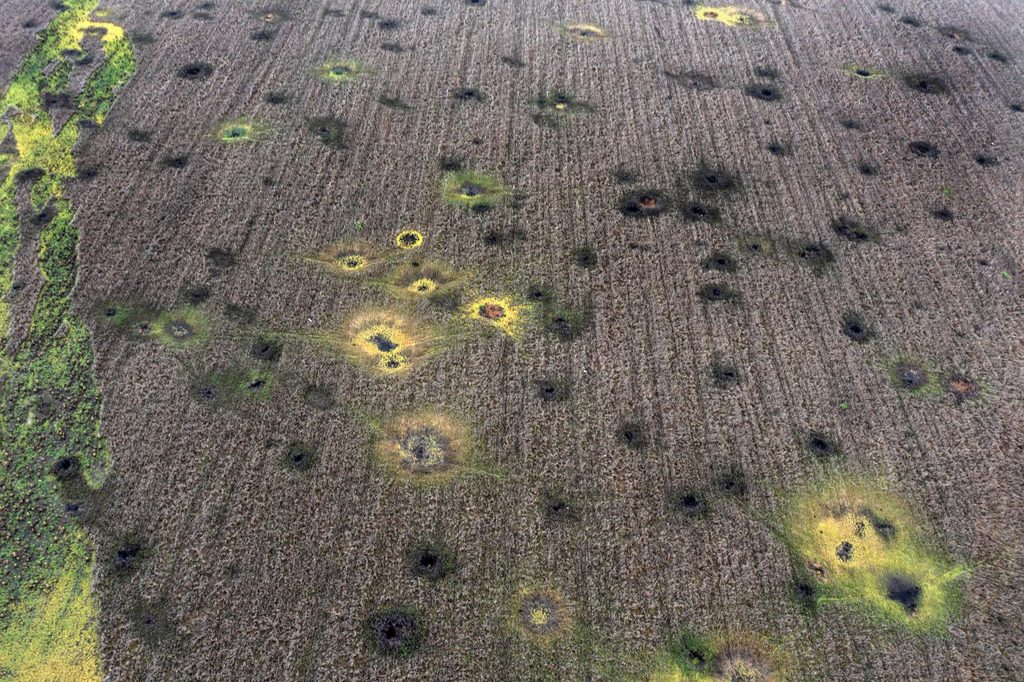
According to a 2025 study published in Science of the Total Environment, researchers identified 420,615 explosion craters in the studied area of the Kharkiv region. Heavy military vehicles affected approximately 3,411 hectares of soil, while explosions disturbed another 4,212 hectares.
The damage extends beneath the surface. As the same research explains, explosions destroy and displace fertile topsoil, while military vehicles compact the ground, restricting water infiltration and root development.
Even after explosive remnants are cleared, affected fields may experience lower productivity, increased erosion and greater vulnerability to drought.
A field can be cleared of explosives without becoming fertile or productive again.
Heavy Metals and Chemicals in Agricultural Soil
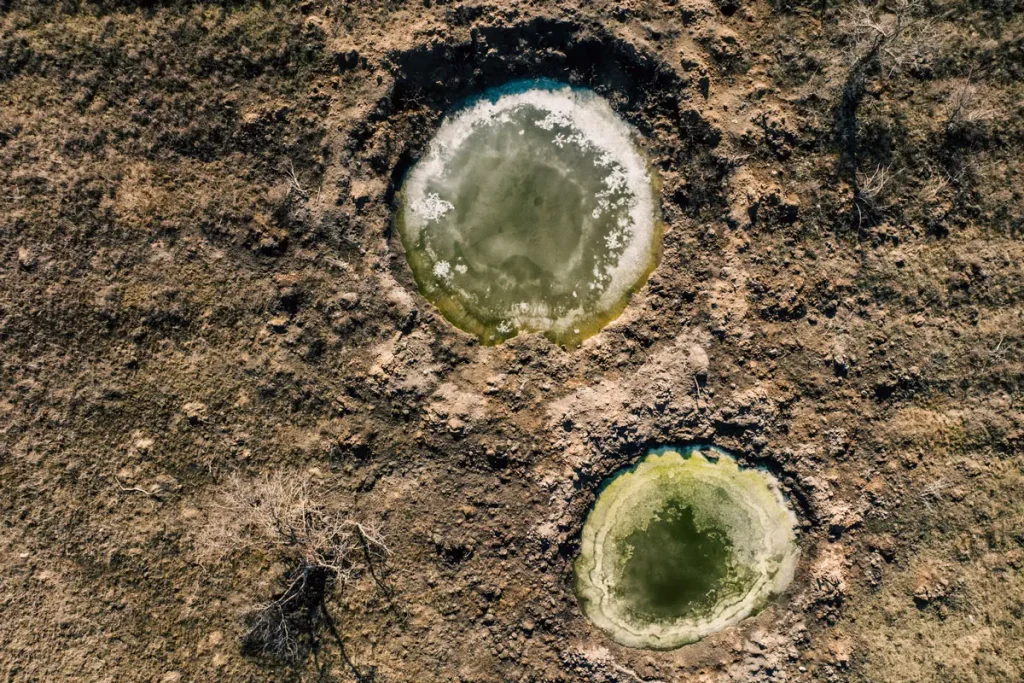
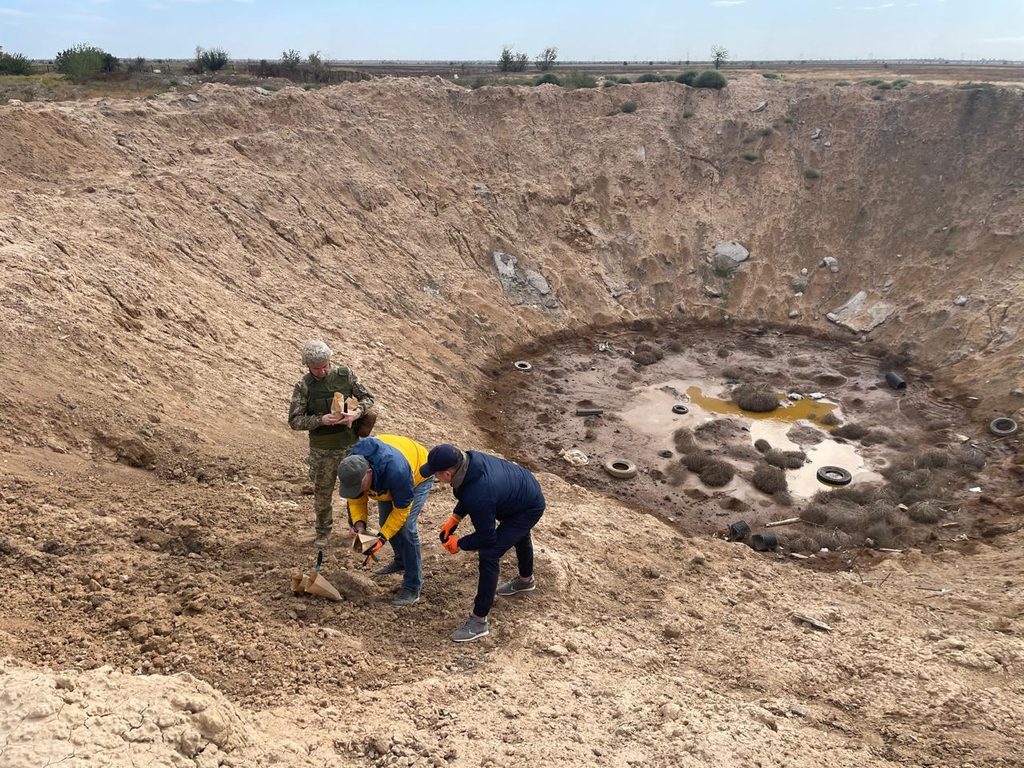
Chemical contamination creates additional long-term risks. Explosives, ammunition fragments, destroyed vehicles and fuel leaks can introduce lead, cadmium, copper, zinc and other pollutants into the soil.
According to the same 2025 scientific study, researchers in the Kharkiv region found heavy metal concentrations 1.1 to 1.5 times higher than natural background levels in most samples, with more significant contamination near a military helicopter crash site and a missile impact.
Similar concerns were documented in the Kherson and Mykolaiv regions. A January 2025 assessment by the Conflict and Environment Observatory (CEOBS) and Norwegian People’s Aid identified heavy metals and hydrocarbons in soil and water samples, alongside damage to farmland and irrigation infrastructure.
Some pollutants can remain in soil for decades and, under certain conditions, be absorbed by crops. Although contamination does not automatically make food unsafe, affected fields may require testing, monitoring and remediation before agricultural production can safely resume.
Farmers Unable to Enter Their Own Fields
Landmines and unexploded ordnance have made agricultural work dangerous or impossible in many areas.
According to a September 2025 report by the Food and Agriculture Organization of the United Nations (FAO), 18% of surveyed crop-producing enterprises reported explosive hazards on their fields. The share reached 38% in frontline regions and 94% in the Kherson region.
The FAO survey covered 2,612 agricultural enterprises across 23 government-controlled regions.
For farmers, inaccessible land means delayed planting, unharvested crops, unused machinery and continuing expenses without corresponding income.
For smaller farms, losing access to their fields can threaten their ability to survive economically.
Lost Harvests and Declining Agricultural Production
The consequences of damaged and inaccessible farmland are increasingly visible in agricultural production.
According to the same FAO nationwide survey, Ukraine’s cultivated area decreased by 7% in 2024 compared with 2023, while 81.4% of surveyed producers in frontline regions reported declining grain and oilseed yields.
These difficulties reflect several interconnected pressures, including explosive hazards, soil damage, equipment losses, labour shortages and disrupted logistics.
The consequences extend beyond individual farms. Rural communities depend on agriculture for employment, transportation, storage and food processing.
Reduced production can weaken local economies, threaten livelihoods and affect Ukraine’s agricultural exports and international food supply chains.
Removing Landmines Does Not Restore the Soil
Clearing landmines is essential for allowing farmers to return safely to their fields. However, demining alone cannot reverse the environmental damage caused by war.
As research published in Science of the Total Environment demonstrates, removing explosive hazards does not restore compacted soil, rebuild destroyed fertile layers or eliminate chemical contamination.
Some fields may require soil remediation, irrigation repairs and erosion-control measures before they can become productive again.
Ukraine’s reconstruction challenge is substantial. According to the Fifth Rapid Damage and Needs Assessment (RDNA5), published in February 2026 by the Government of Ukraine, the World Bank, the European Commission and the United Nations, total recovery and reconstruction needs across all sectors were estimated at approximately $588 billion over the next decade.
Restoring agricultural land will require long-term investment, environmental assessment and sustainable land management alongside demining operations.
Rebuilding Ukraine Must Include Its Land
Sustainable reconstruction was also addressed by Advocacy Coalition: Defending Our Future Now.
At the “Reconstruction in Ukraine” conference on 29 September 2026, organised by the Embassy of Belgium in Luxembourg with representatives of Enabel, discussions focused on green recovery, climate governance and the foundations of Ukraine’s long-term reconstruction.
These priorities are directly relevant to Ukraine’s agricultural future. Restoring damaged farmland requires coordinated investment, environmental protection and solutions that support long-term productivity.
Reconstruction cannot be limited to rebuilding roads, buildings and infrastructure. It must also consider the natural resources on which communities and economic recovery depend.
The Damage Will Last Beyond the Fighting
More than 420,000 craters in a studied area of the Kharkiv region and thousands of hectares of damaged soil represent more than environmental destruction. They mean lost harvests, additional recovery costs, reduced income for farmers and economic uncertainty for rural communities.
Behind every damaged field is a farmer who may lose years of production. Behind every mined hectare is land that cannot contribute to the local economy. And behind every contaminated area is a recovery process that may continue long after the fighting ends.
War can destroy fertile soil in seconds, but restoring it can take years.
Ukraine’s agricultural future depends not only on clearing landmines, but also on restoring the soil’s safety, fertility and productivity for future generations.